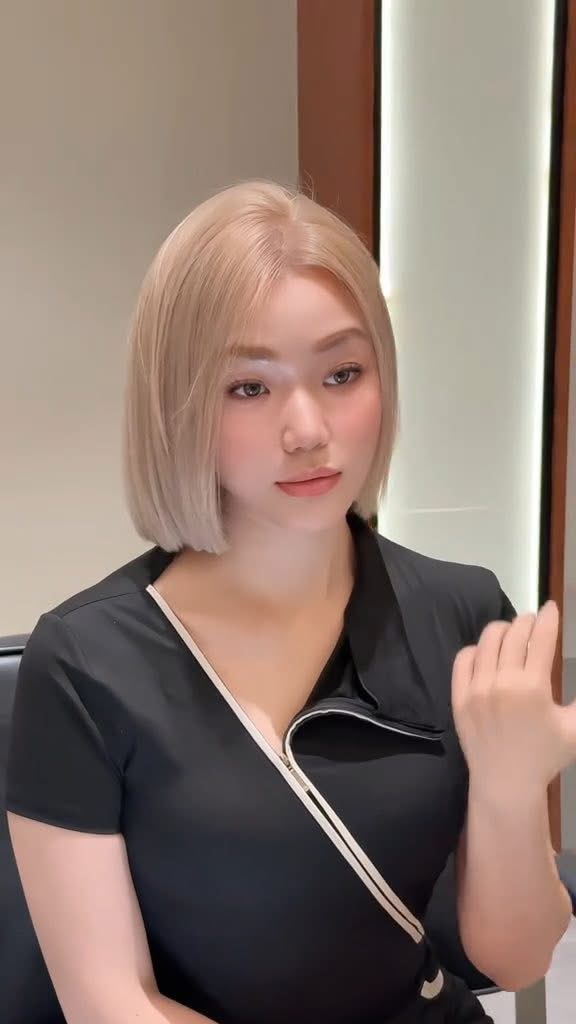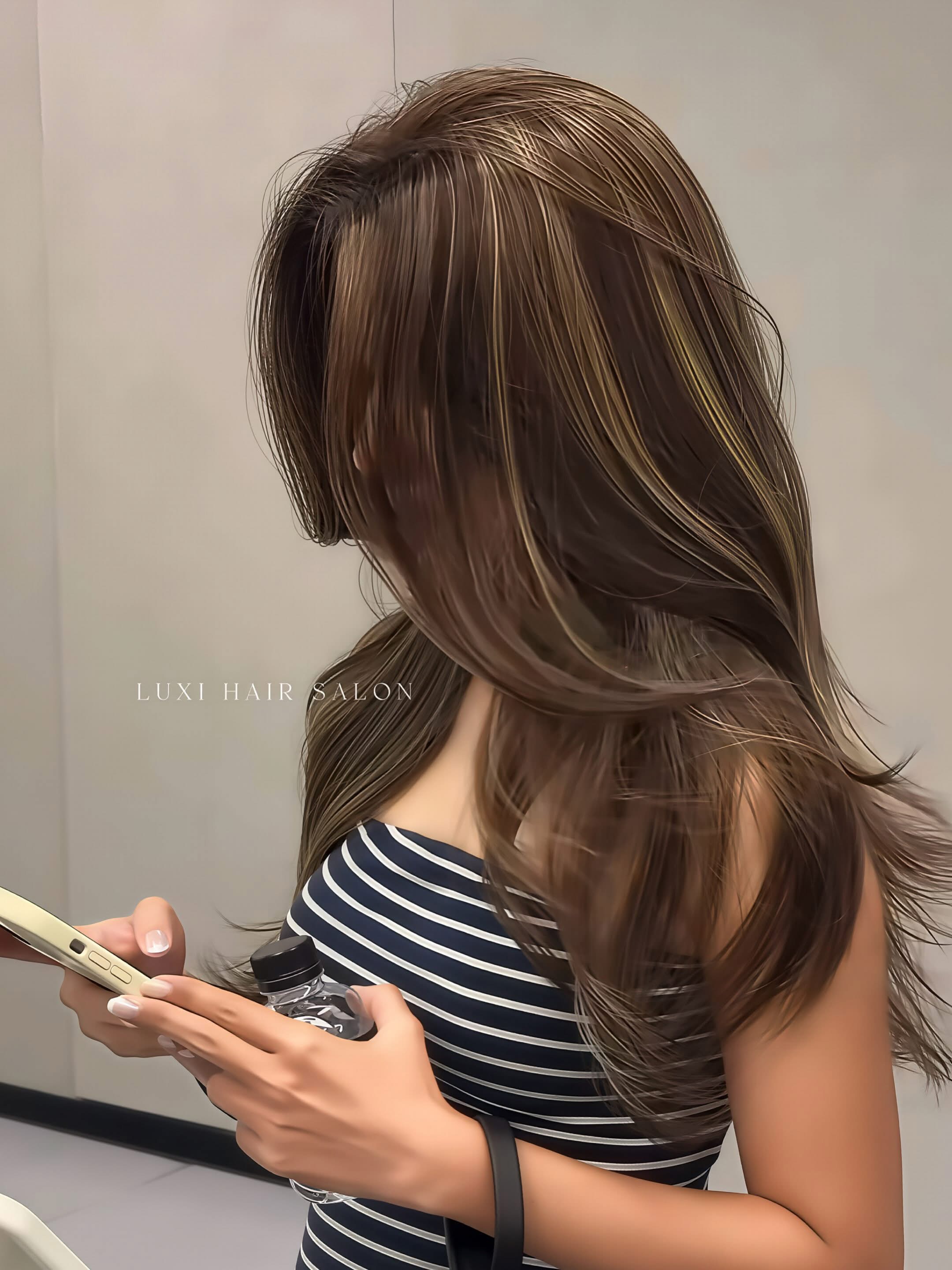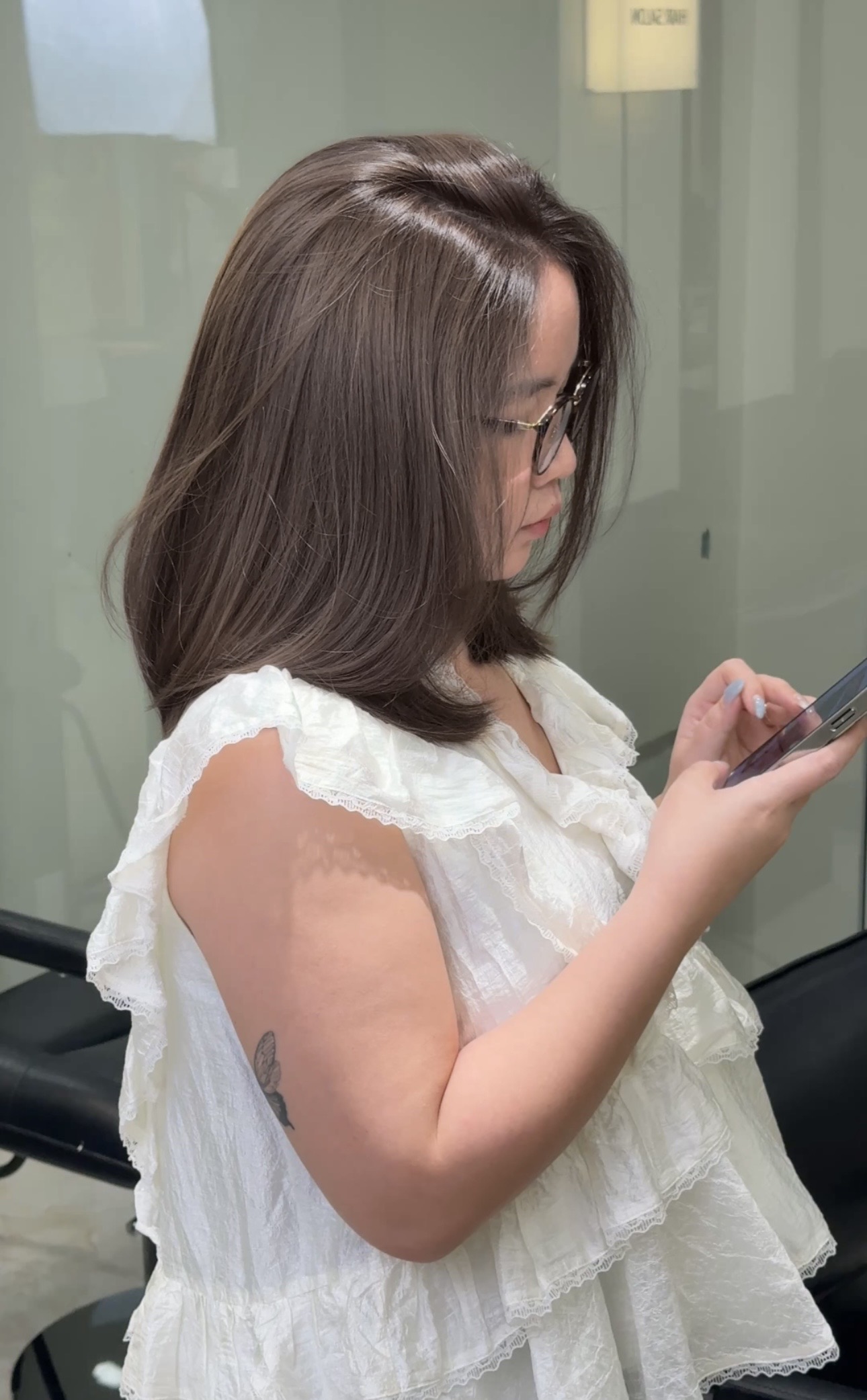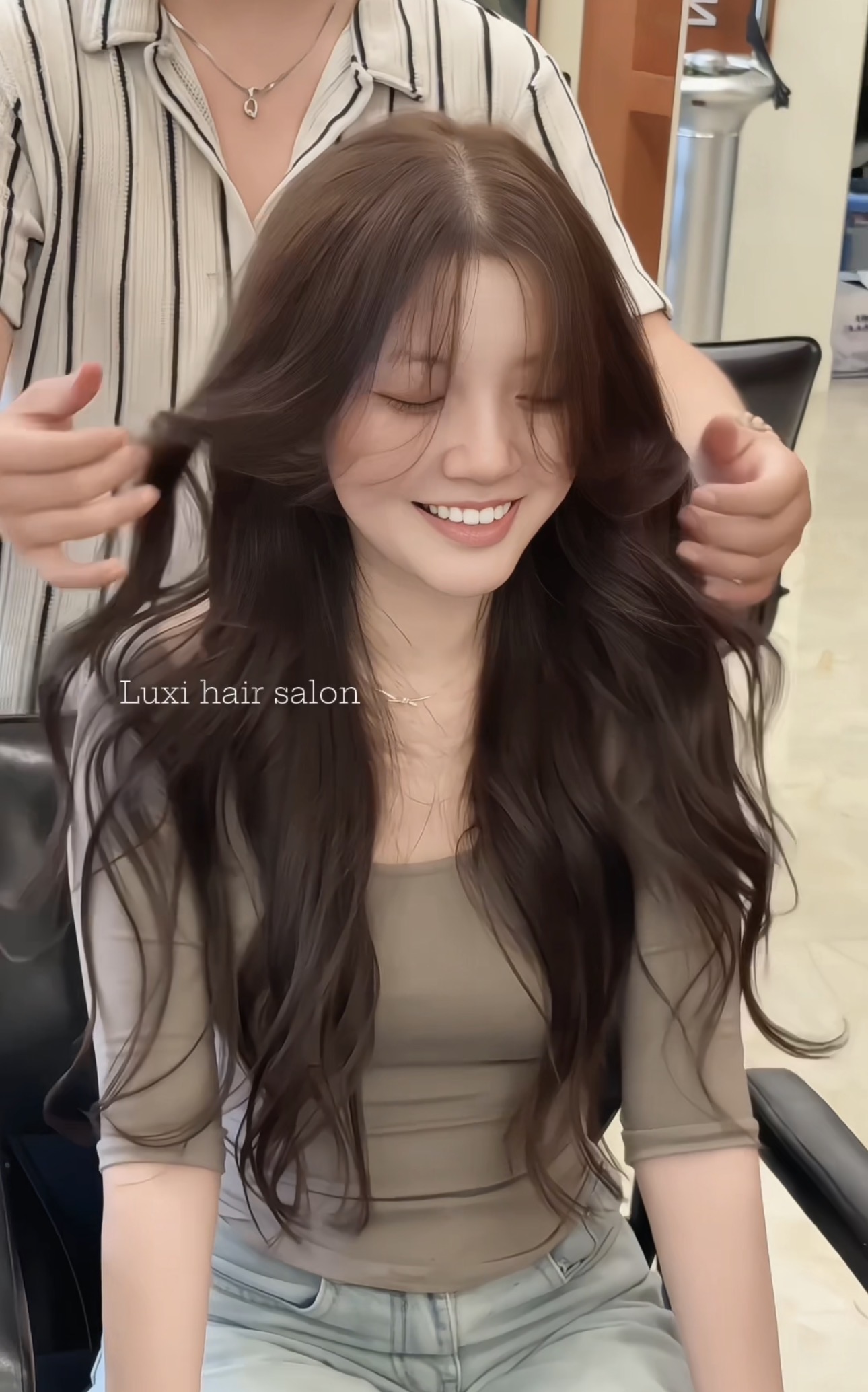
Properly done extensions don't automatically damage your real hair — the risk mainly comes from weight, handling, and improper aftercare. This article was written by LUXI Hair Salon, 248 Hoa Hung, District 10, Ho Chi Minh City, based on a personalized consultation approach that prioritizes hair health.
How do extensions affect your real hair?
Weight and distribution are the key factors
Each attachment point adds extra hair to a section of your natural hair. Your hair and scalp therefore carry extra weight, pulling force from brushing, and movement throughout the day. When the extensions are evenly distributed, lightweight, and placed at a reasonable distance from the scalp, your real hair still has room to move and grow normally.
Damage usually happens when an attachment point is too heavy for the strand it's on, placed too close to the scalp, too many are used, or they're left in too long without maintenance. Hair around the temples and hairline is usually finer, so it needs different placement than hair at the nape. A beautiful set of extensions isn't just long and thick — it also has to feel comfortable from day one.
What causes real hair to weaken or break?
Good technique still needs the right habits
Pulling while brushing, sleeping with wet hair, tying hair too tightly, and product buildup at the attachment points all increase friction. As your natural hair grows, the attachment points slide further from the scalp and can tangle more easily with hair that's naturally shedding. Without removal and reinstallation on schedule, tangled clumps can create localized pulling.
Removing extensions at home is a big risk because the solution and tools have to match the attachment type. Cutting or yanking attachments out can snap real hair. In addition, getting extensions on a hair base that's already shedding heavily, an irritated scalp, or hair that's been over-chemically treated can make things worse. In those cases, a check-up and recovery treatment should come first.
Who's a good fit, and who should wait?
Assess your hair base before deciding
Extensions suit people who want more length, more volume, want to cover an uneven cut, or want to add color without bleaching their real hair. Your hair base needs to be healthy enough to hold the attachments, your scalp shouldn't show signs of irritation, and you should be willing to spend time brushing, blow-drying, and doing regular maintenance.
You should wait if you have unusual hair loss, bald patches, an itchy or sore scalp, very brittle hair, or are undergoing medical treatment. Postpartum women and people who've recently been through prolonged stress should also discuss their hair-shedding cycle carefully. The salon may decline to install extensions if the weight isn't safe for your current hair base.
How to care for extensions day to day
Be gentle, keep the roots dry, and maintain on schedule
Use a brush made for extensions, hold the root section with your hand, and brush from the ends upward. When washing, massage your scalp gently in a downward direction rather than scrubbing in circles over the attachment points. Apply conditioner and mask from mid-lengths to ends; avoid letting heavy, oily products sit directly on the attachment points if the technique isn't compatible.
Fully dry the root area at a moderate temperature before going to bed. A loose braid or a low, soft tie can help reduce tangling. When heat styling, keep tools away from the attachment points. If you notice ongoing pain, attachments slipping a lot, tangled clumps, or scalp redness, contact the salon instead of trying to fix it yourself.
Signs of a well-done set of extensions
Natural to see and natural to live with
Attachment points should be small, evenly distributed, not visible when your hair moves, and shouldn't cause pain. The color, thickness, and texture of the extensions should blend with your real hair. A proper finishing cut helps the two blend seamlessly; if extensions are just attached without adjustment, layers can show or the ends can feel heavy.
Before starting, the salon should tell you the expected quantity, hair type, maintenance schedule, care instructions, and any additional costs. At LUXI, the choice is made after checking the density and health of each area of your hair, prioritizing a light feel and long-term wearability.
Important notes
- Don't remove extensions yourself at home.
- Fully dry the roots before going to bed.
- Book a check-up if attachments slip, tangle, or cause pain.
Frequently asked questions
Do extensions cause hair loss?
Extensions installed with the right weight don't cause abnormal hair loss, but wrong technique or improper care can create pulling force and lead to breakage.
How often do attachments need to be moved up or maintained?
It depends on the technique and how fast your hair grows; the salon will set a specific schedule after checking your hair in person.
Can extensions be dyed?
In some cases, yes — but a strand test and quality check of the extension hair should be done first.
Conclusion
Extensions don't automatically damage your real hair. Safety depends on your hair base, the weight used, the technician's skill, the maintenance schedule, and your care habits. Choose a light, adequate, and transparent approach rather than chasing the highest possible number of attachment points.
Learn more about Hair Extensions at LUXI or call 0869 690 732 to talk directly.
PERSONAL CONSULTATION
Not sure which style suits you? Message LUXI for direct advice.
LUXI Hair Salon · 248 Hoa Hung, District 10, Ho Chi Minh City · 0869 690 732