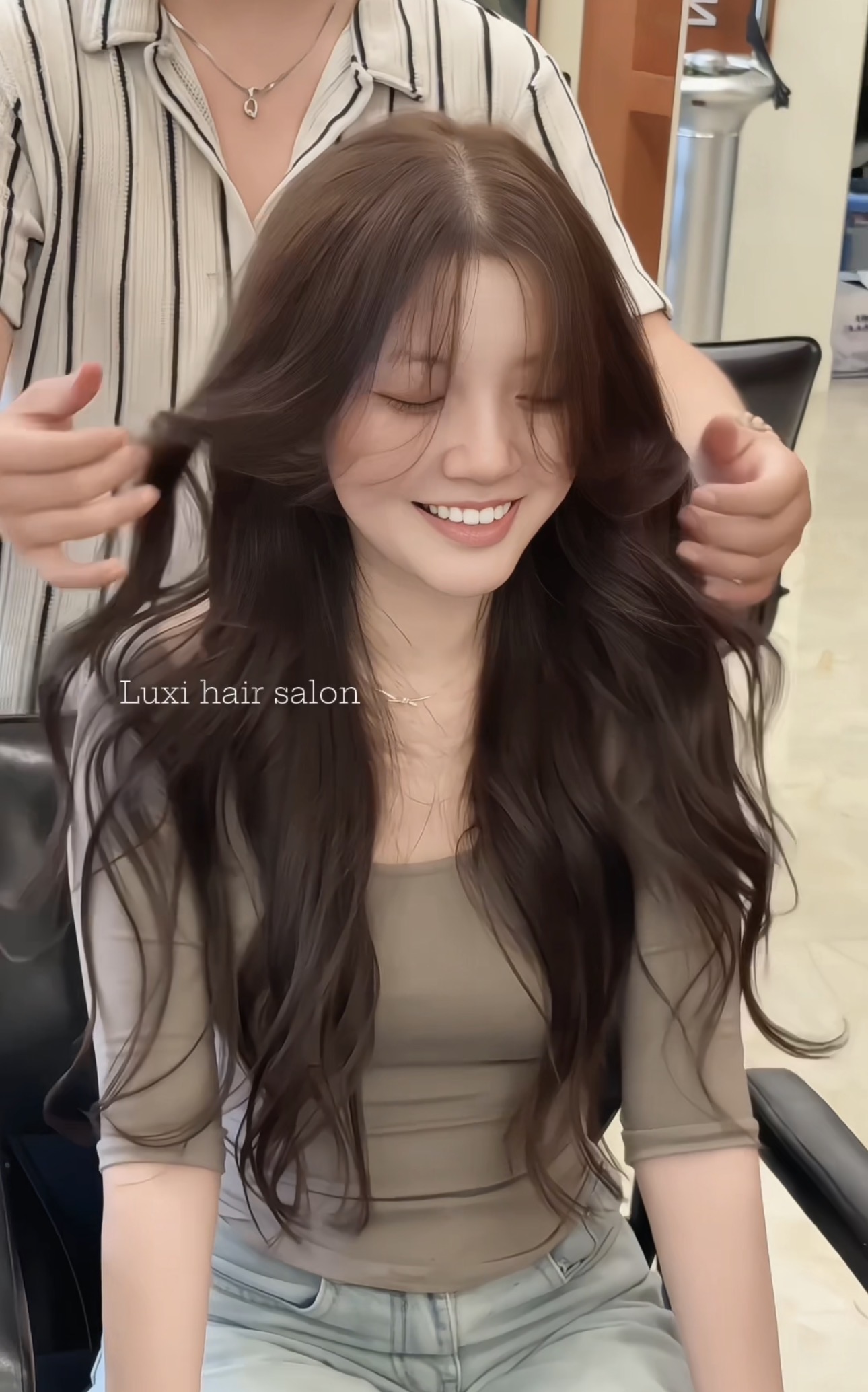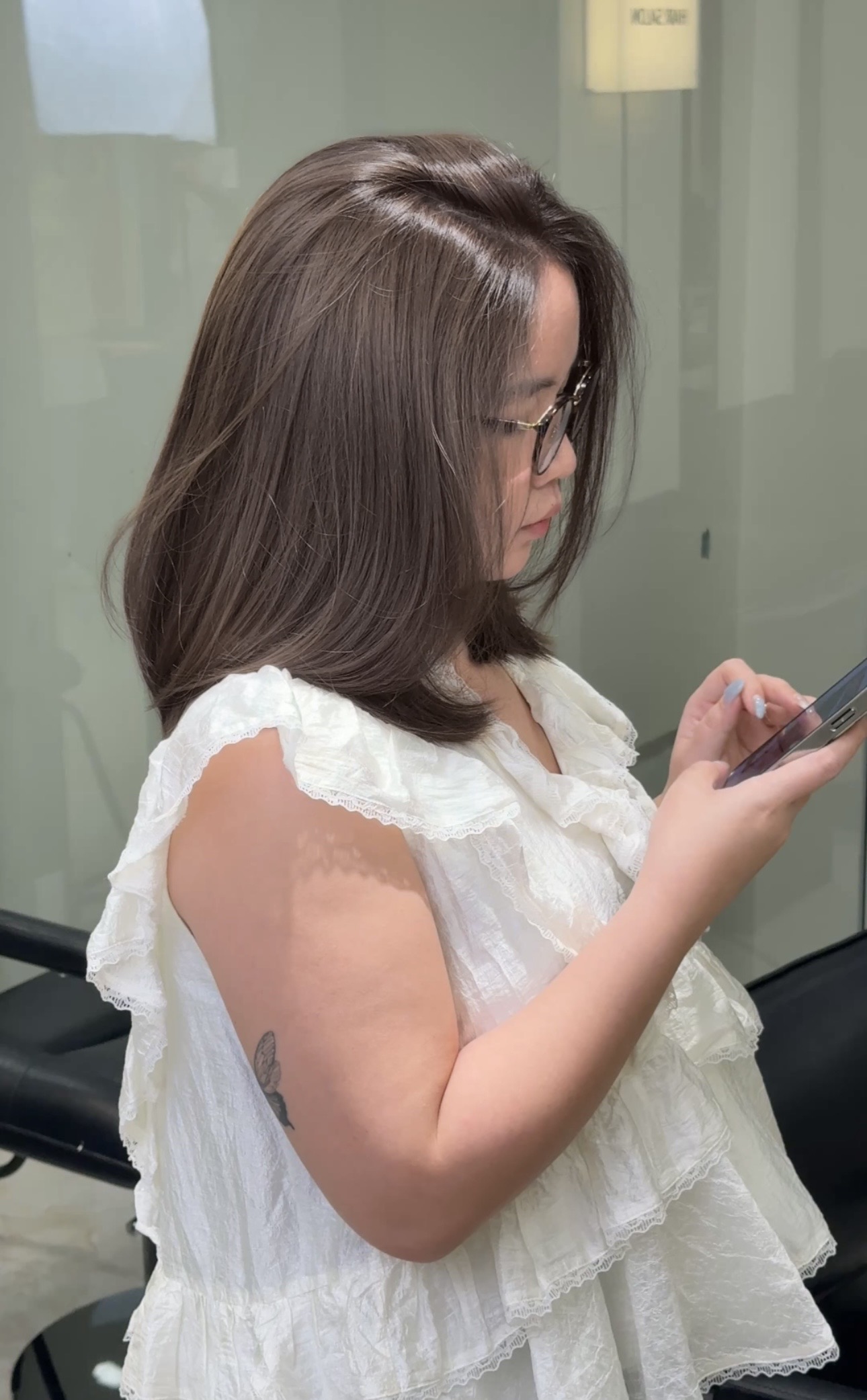
Understand your skin tone, hair base, and maintenance level to choose a color that truly suits you instead of just chasing a trend. This article was written by LUXI Hair Salon, 248 Hoa Hung, District 10, Ho Chi Minh City, based on a personalized consultation approach that prioritizes hair health.
Why does the same color look different on different people?
Start with the whole picture, not just a color chart
Hair color sits right next to your face, so it can make your skin look brighter, softer and more radiant — or it can make your complexion look dull or bring out redness. The difference doesn't come only from how light or dark the color is, but from your undertone, the contrast between your hair and skin, your eye color, your makeup, and the lighting you're usually in.
A color that looks beautiful in a reference photo won't necessarily turn out the same on your real hair. Your existing hair base, history of dark dyeing, amount of red pigment, and porosity all determine the formula needed. At LUXI, your stylist looks at your skin tone together with your hair base before suggesting a shade, so the result stays harmonious and has a realistic maintenance plan.
How to identify your skin's undertone
Observe in natural light
Skin is usually grouped into warm, cool, and neutral undertones. People with warm undertones tend to suit gold jewelry, their veins look greenish, and their skin tends to tan gold in the sun. Cool undertones tend to suit silver, veins look blue-purple, and skin has a pinkish cast. If neither set of signs is clear, you may fall into the neutral group.
This is only a starting observation. Lighting, foundation, and phone cameras can easily distort how your skin looks. During an in-person consultation, it's best to look at your skin in neutral light and also compare eye color, eyebrow color, and natural contrast. You don't need to force yourself into one absolute category — many people sit between two undertones and have more options than they think.
Color suggestions by skin tone
Lightness matters as much as the shade itself
Warm skin tones usually harmonize with chocolate brown, chestnut brown, caramel, warm beige, or soft copper. These shades add just the right amount of warmth without making the skin look more yellow. Cool skin tones can try ash brown, mushroom brown, cool beige, cool burgundy, or smoky highlight strands. Neutral skin tones are flexible with both groups, but should still adjust lightness to fit their features and personal style.
For fair skin, a very dark color creates strong contrast and personality; a lighter color feels softer but may need lifting first. Medium skin tones often look great with mid-level browns that are easy to keep shiny. Darker skin doesn't have to default to dark color: caramel, mocha, or a controlled light balayage can still make the face stand out if the root area and the tones around the face are designed well.
Your hair base and care habits shape the choice
A beautiful color has to live with you
If your hair has been dyed black or layered with color many times, lifting to beige or smoky tones may take several sessions and shouldn't be forced into one visit. Weak, breaking, or overly porous hair needs base-balancing, cutting away damage, and recovery treatment first. A darker but healthy, shiny color usually looks better than a lighter color achieved by pushing the hair beyond what it can handle.
Consider your root-touch-up frequency, budget, and how much time you can spend on care. Cool, light colors tend to fade faster and need the right shampoo; balayage has a soft transition, so it can stretch longer between visits. If you don't style your hair often, a color close to your natural base — with depth added through face-framing or fine highlights — can be a good choice.
The color consultation process at the salon
Transparency before you start
Bring two or three reference photos taken in different lighting conditions, and clearly say what you like about each one. Your stylist needs to check your natural roots, mid-lengths, ends, elasticity, and chemical history. From there, you'll agree together on the level of lightness, tone, technique, timing, cost, and a backup plan in case your current hair base can't reach the target color in one visit.
A good consultation doesn't promise a color at any cost. The right result is a balance between what you want, your hair's health, and how much care you can realistically keep up. After your service, ask clearly when you can first wash your hair, what water temperature to use, which color-protecting products to use, and when to come back — so your color stays deep, glossy, and even.
Important notes
- Don't bleach or layer on more color at home before your salon appointment.
- Tell your stylist your full history of dyeing, straightening, perming, and dark color coverage.
- Color on screen may differ from your real hair color due to lighting and devices.
Frequently asked questions
Do I need to bleach my hair for the color to turn out well?
Not every color needs bleaching. Natural browns and many deep tones can be achieved on a suitable base; light beige, smoky, or pastel tones usually require lifting first.
Can dark skin wear light hair colors?
Yes. What matters is choosing the right tone, contrast, and placement of light pieces around the face, while making sure the hair base is healthy enough.
Which color is easiest to maintain?
Browns close to your natural base, softly blended balayage, and colors that don't require de-yellowing tend to be easier to maintain.
Conclusion
There's no single formula for the right hair color. When your undertone, hair base, style, and care habits are all considered together, you get a color that brightens your face while staying long-lasting and safe for your hair.
Learn more about Perm / Straightening / Coloring at LUXI or call 0869 690 732 to talk directly.
PERSONAL CONSULTATION
Not sure which style suits you? Message LUXI for direct advice.
LUXI Hair Salon · 248 Hoa Hung, District 10, Ho Chi Minh City · 0869 690 732