Balayage and highlights both add depth to hair, but they differ clearly in how color is placed, the level of contrast, and how the regrowth line looks. This article was written by LUXI Hair Salon, 248 Hoa Hung, District 10, Ho Chi Minh City, based on a personalized consultation approach that prioritizes hair health.
What balayage and highlights have in common
Both create depth, but tell the color story differently
Both techniques create lighter and darker areas instead of covering hair in one flat color. This gives hair movement, makes it look thicker, and lets it catch light beautifully when curled or blow-dried. The level of lightness can range from very natural to strongly contrasted, depending on your hair base, cut, and personal style.
Both techniques may require lifting in the sections being lightened. That calls for checking elasticity and chemical history beforehand. The quality of the result doesn't only depend on how pretty the color looks on the day — it also depends on the blend, evenness, and hair condition afterward.
What is balayage?
A soft, personalized color transition
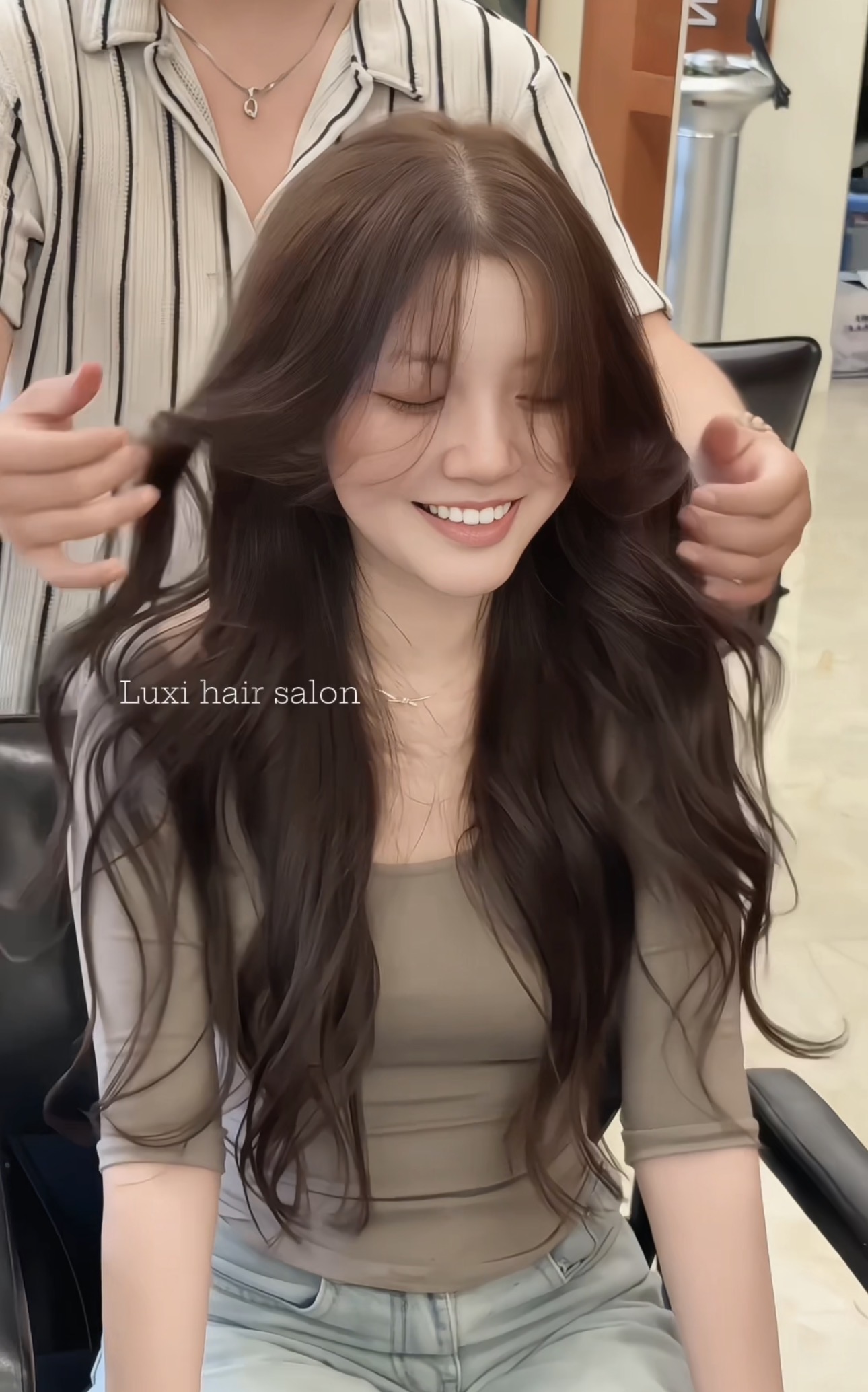
Balayage focuses on a soft lightening effect from mid-lengths to ends. Your stylist places color following your hair's natural movement, often keeping the roots darker or creating a shadow root so the regrowth line is less noticeable. The result feels naturally sun-kissed, and looks especially beautiful on layered hair, long hair, and loose waves.
Balayage isn't tied to one specific color — it can be caramel, beige, cool brown, or blonde depending on your goal. Because the light areas are personalized, the technique requires reading your hair's shape and controlling the base carefully. Beautiful balayage needs cohesion between the color strands, with no choppy patches or hard horizontal lines.
What are highlights?
Clear, rhythmic strands of light
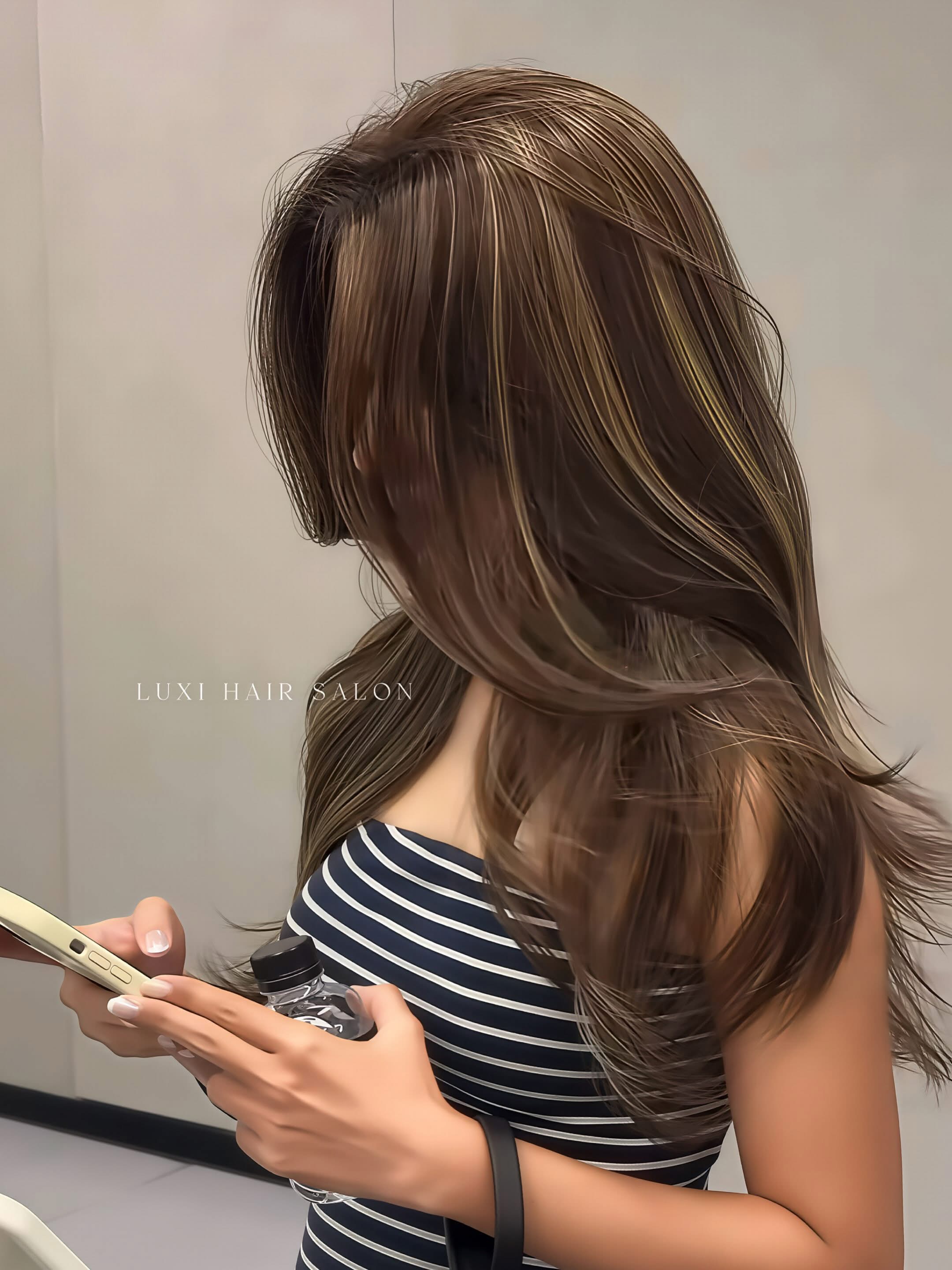
Highlights create individual strands or sections of lightness running from near the root down to the ends. The traditional foil technique gives clear control over lightness and contrast. Babylights are a variation using very fine strands for an even, subtle overall brightness; chunky highlights use larger sections for a bolder personality.
Highlights suit you if you want clearly visible light strands from the root, need an overall lift, or want a bright frame around your face. As hair grows out, the root line can be more visible than with balayage, especially with high-contrast light colors. A shadow root or root melt can be combined in to soften the transition and make it easier to maintain.
Which technique should you choose?
Base it on effect and how easy it is to maintain
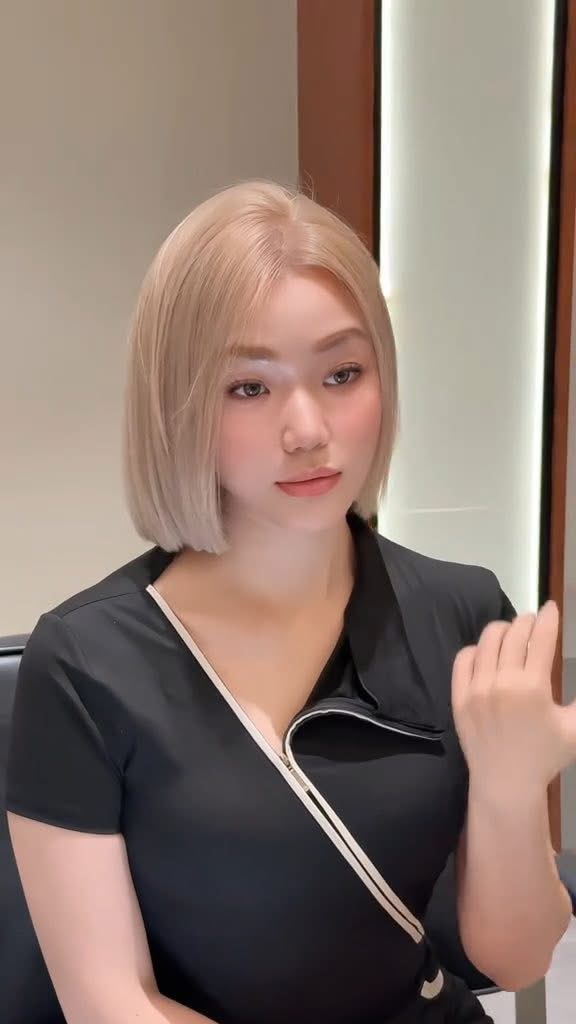
Choose balayage if you like a soft look, want longer gaps between touch-ups, and often blow-dry your hair with movement. Choose highlights if you want an overall brightness that's clearly visible from the roots, like structured light strands, or want to emphasize your haircut. Short hair can work with either technique, but color placement needs careful planning to avoid choppy patches.
Your skin tone and hair base matter too. Caramel and warm beige usually suit warm skin tones; ash brown, mushroom, or cool beige suit many cool and neutral skin tones. Still, you shouldn't decide based on a color name alone — your stylist needs to see your real hair base, porosity, and any leftover tone to choose the right formula.
Aftercare for balayage or highlights
Maintain tone and hair health
Use a gentle shampoo, avoid water that's too hot, and always use a heat protectant before blow-drying. Lifted hair needs a nourishing mask on a suitable schedule, but shouldn't overuse protein if hair starts feeling stiff. A lightweight oil on the ends reduces friction and keeps the hair surface glossier.
Cool colors may need a color-depositing product to counter brassiness, used as directed rather than daily. The toner touch-up schedule is usually shorter than the lifting schedule. Come back to the salon when the tone shifts, rather than layering color on at home — overlapping color can make the next treatment unpredictable and increase the risk of patchy results.
Important notes
- Don't brush hard while hair is wet.
- Always disclose any history of dark dyeing or at-home color products.
- Blonde results may need several sessions if the hair base is weak or too dark.
Frequently asked questions
Does balayage need frequent root touch-ups?
Usually less often than highlights placed close to the root, since the transition is soft — but toner and shine still need to be maintained.
Do highlights dry out hair?
The lightened sections can become drier. Careful technique, the right products, and proper aftercare help reduce that risk.
Can short hair get balayage?
Yes, but the placement of light sections needs to suit the length and cut so the effect doesn't look scattered.
Conclusion
Balayage suits a soft color transition that's easy to grow out; highlights suit a clear, structured strand effect with more overall lift. The best choice is the technique that fits your hair type, hair base, and how you want to maintain your color.
Learn more about Balayage & Highlight at LUXI or call 0869 690 732 to talk directly.
PERSONAL CONSULTATION
Not sure which style suits you? Message LUXI for direct advice.
LUXI Hair Salon · 248 Hoa Hung, District 10, Ho Chi Minh City · 0869 690 732