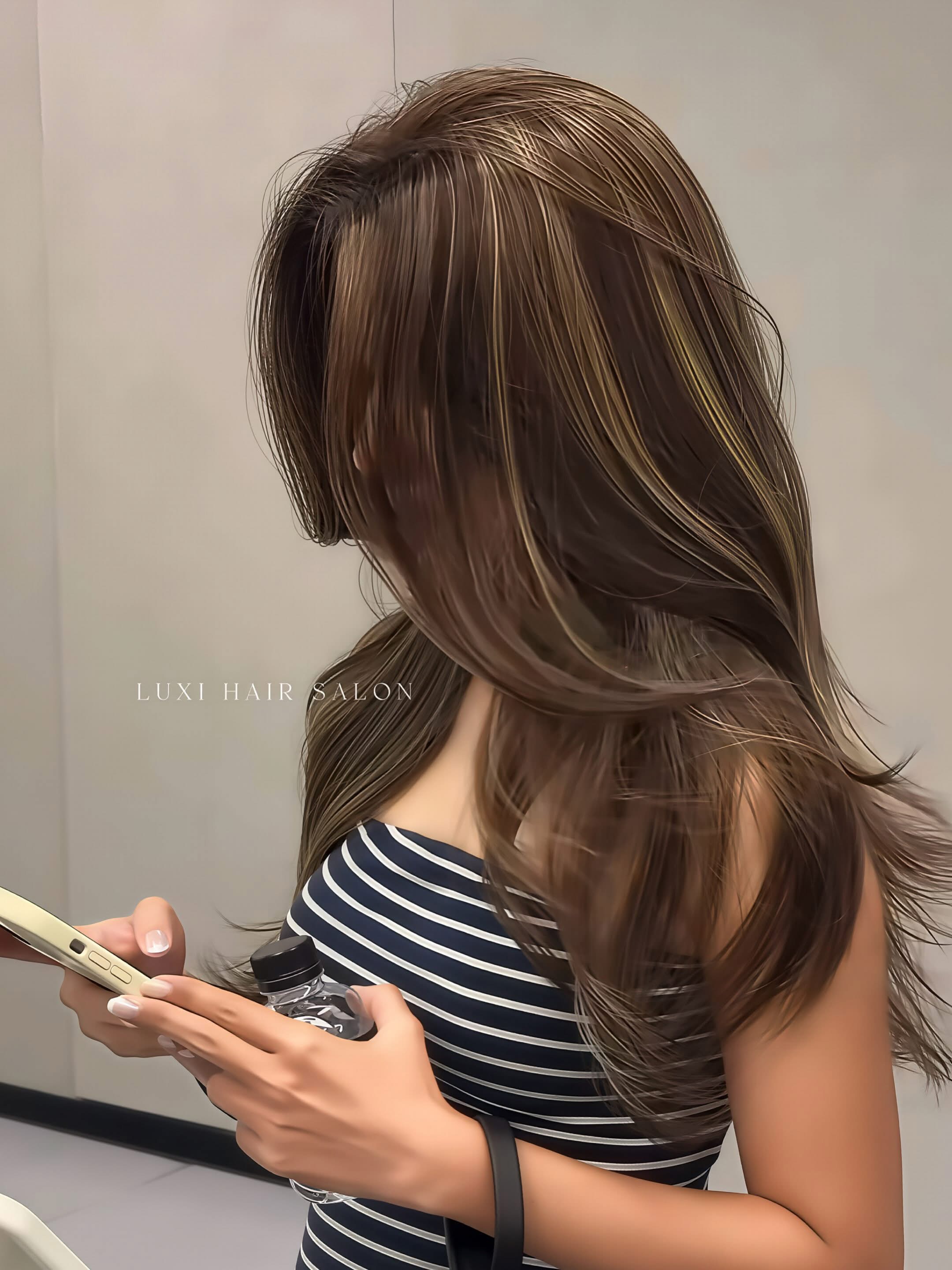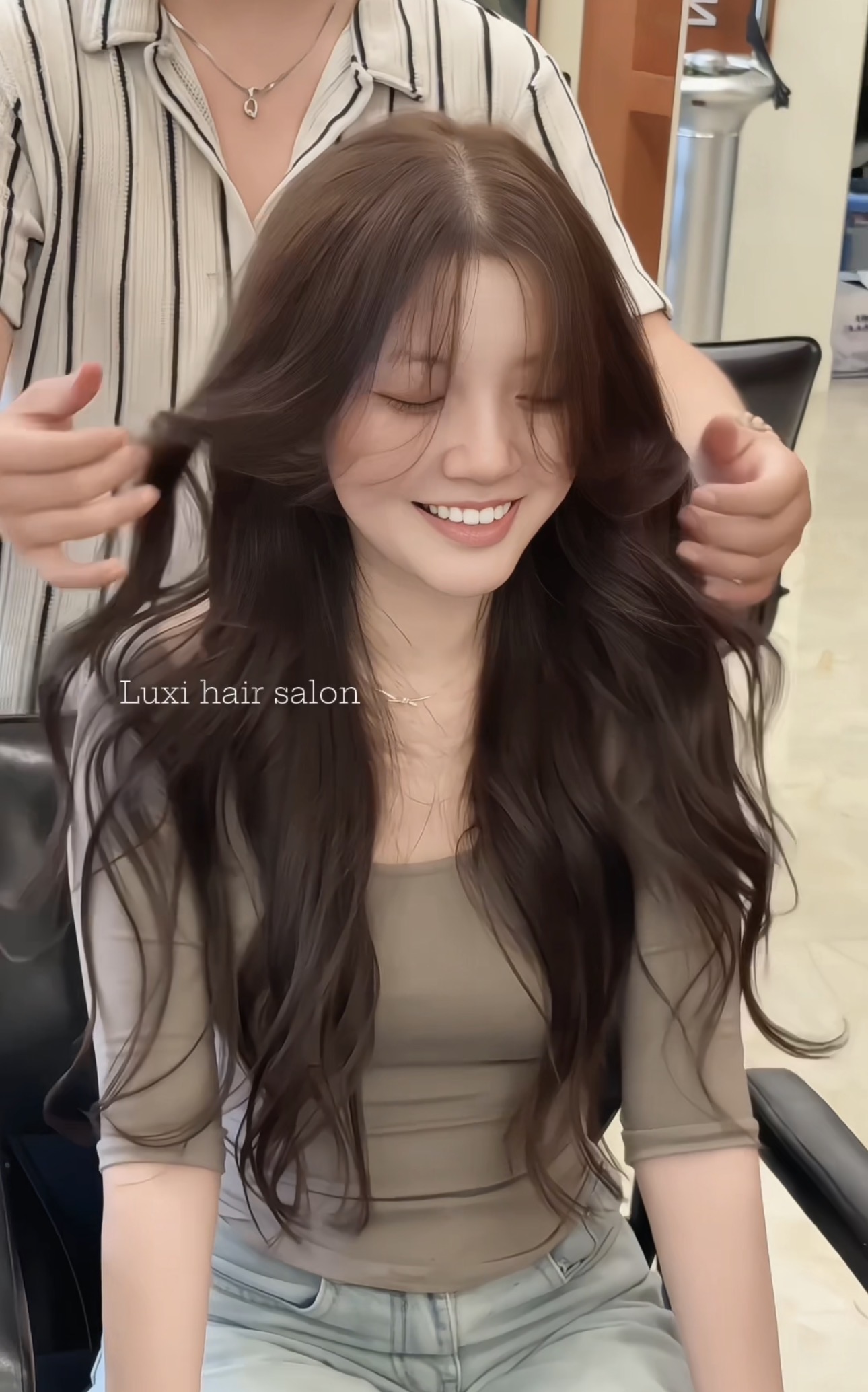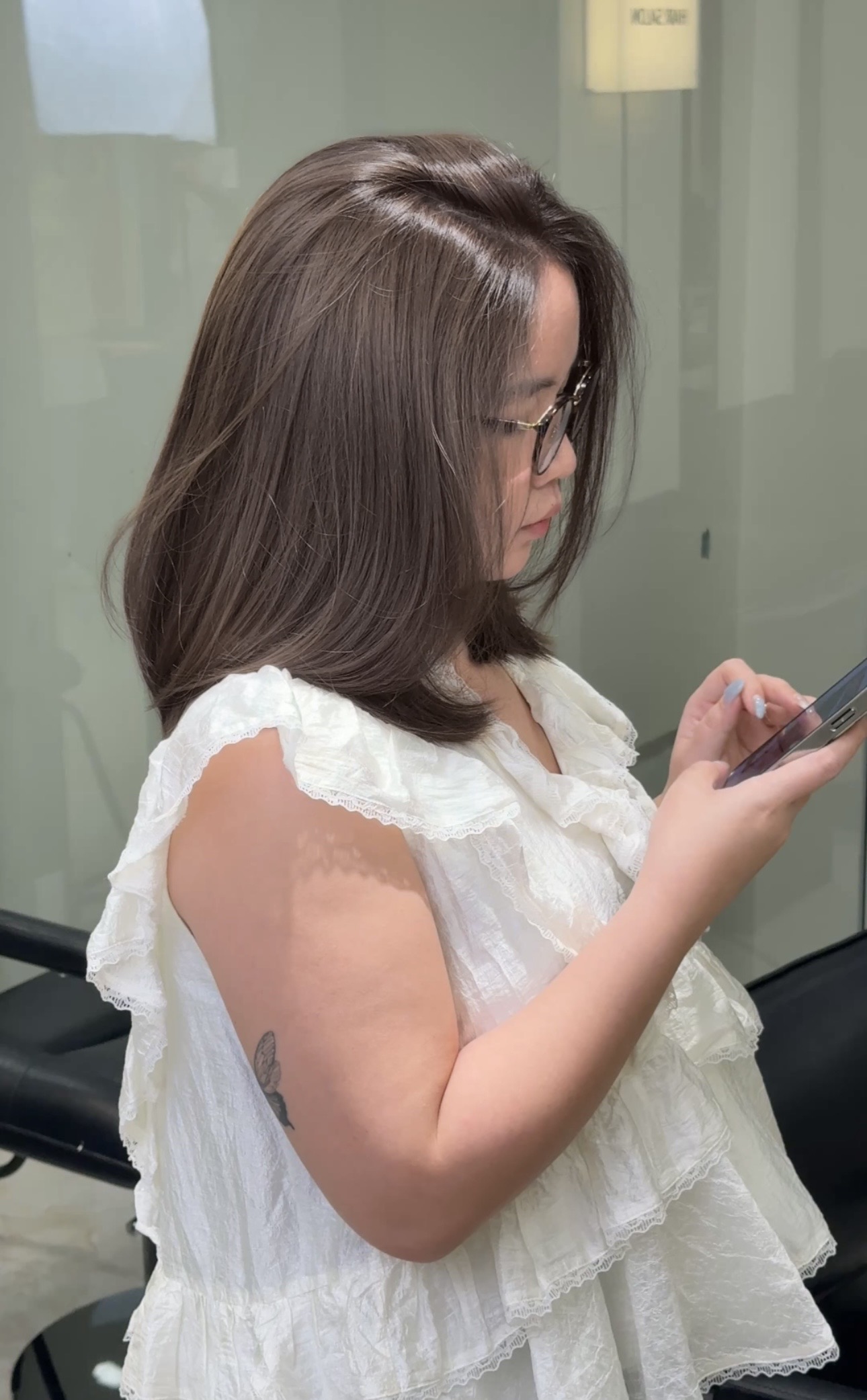
Hair after bleaching and coloring needs a care rhythm that balances cleansing, hydration, protein, and heat protection. This article was written by LUXI Hair Salon, 248 Hoa Hung, District 10, Ho Chi Minh City, based on a personalized consultation approach that prioritizes hair health.
What changes after your hair is bleached or colored?
Understand it to care for it realistically
The lifting process opens the cuticle and reduces natural pigment so new color can show through. As a result, hair loses moisture more easily, becomes more porous, and becomes more sensitive to heat and friction. How much it changes depends on your starting base, how many times it's been lifted, the strand's health, and the technique used.
Bleached hair can't return to its original state, but it can be kept soft, glossy, and stable with the right habits. The goal isn't to layer on as many products as possible — it's to reduce daily stress on the hair, replenish exactly what it's missing, and trim split ends on schedule.
Washing correctly to preserve color
Clean at the scalp, gentle on the lengths
Wait as long as your stylist recommends before the first wash. After that, use lukewarm or cool water and a gentle shampoo, focusing on cleansing the scalp. The lather that runs down is enough to clean the length of your hair — scrubbing directly at the ends increases tangling and fading.
Wash frequency depends on your scalp; don't force yourself to skip washing if your roots feel greasy or itchy. Dry shampoo can help between washes, but you still need to clean buildup periodically. For cool blonde tones, purple products should only be used when de-yellowing is needed and for a short time, to avoid dry or over-toned hair.
Balancing moisture and protein
More isn't always better
A hydrating mask keeps hair soft, easy to comb, and reduces that dry, stiff feeling. Protein or bond-building products can temporarily improve strength for hair weakened by chemical treatment. However, using protein too often can make hair stiff and prone to breaking; hair that's too soft and stretchy may need more structural support instead.
Watch how your hair responds instead of following a fixed schedule for everyone. Conditioner after every wash and a mask once or twice a week is a common starting point. A lightweight leave-in and hair oil protect the surface, but they don't replace trimming split ends or deeper treatment when hair loses elasticity.
Reducing heat and friction
Protect your hair through small daily habits
Blot water out with a soft towel instead of rubbing. Detangle from the ends upward with a wide-tooth comb once you've applied a detangling product. Before blow-drying, use a heat protectant and choose a moderate temperature. Controlled blow-drying is usually better than letting hair stay wet for a long time before sleeping.
Limit flat irons and curling irons at high heat, especially in the first week. A smooth pillowcase, soft hair ties, and a loose sleeping style all help reduce friction. When swimming, wet your hair with clean water first, use suitable protection, and wash again soon after to limit the effect of chlorine or salt on your color.
When should you go back to the salon?
Don't wait until the damage is obvious
Toner can fade before the base needs redoing. Touch up the tone instead of layering color at home if your hair has simply turned brassy or lost shine. As your roots grow out, your stylist will assess how to blend the new growth so bleach isn't reapplied over sections that are already lightened.
If your hair stretches like rubber, breaks a lot, tangles into knots, or your scalp reacts, stop heat and chemical treatments and contact a professional. Salon recovery treatments can support the surface and internal bonds, but they need a realistic plan — no product can turn severely damaged hair back into virgin hair.
Important notes
- Don't sleep with your hair still wet.
- Always use heat protection before blow-drying or styling.
- Don't bleach over sections of hair that are already lightened.
Frequently asked questions
How often should bleached hair be washed per week?
It depends on your scalp and lifestyle. Washing when needed with a gentle product is better than forcing longer gaps that let buildup accumulate.
Can purple shampoo be used every day?
No. Only use it when you need to counter brassiness and as directed, since overuse can dry out hair or leave a purple cast.
Does a recovery treatment bring hair back to how it was?
Not completely. Recovery treatments support softness, surface condition, and internal bonds; split, broken ends still need to be trimmed and protected.
Conclusion
Beautiful, long-lasting bleached or colored hair needs a simple but consistent routine: gentle washing, balanced nourishment, reduced heat, less friction, and timely color touch-ups. When your hair shows unusual signs, addressing it early is always safer than continuing with more chemical treatment.
Learn more about Hair Recovery at LUXI or call 0869 690 732 to talk directly.
PERSONAL CONSULTATION
Not sure which style suits you? Message LUXI for direct advice.
LUXI Hair Salon · 248 Hoa Hung, District 10, Ho Chi Minh City · 0869 690 732